What is Container Security in the Cloud?
In the ever-evolving landscape of cloud-native computing, where applications are developed and deployed at lightning speed, it is critical to ensure the security and integrity of digital assets. This is where container security comes into play, offering robust tools and practices to safeguard the containerized applications, infrastructure, and the entire cloud ecosystem.
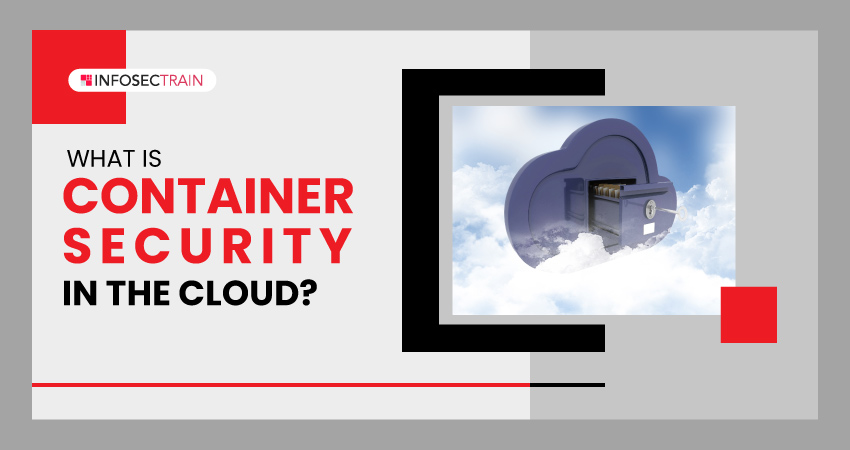
Table of Contents
What is a Container?
What is Container Security and How it Matters?
Top Leading Cloud Container Platforms
Advantage of Container Security
Best Practices for Container Security
What is a Container?
Containers are lightweight units that package an application along with all its dependencies, including code, runtime, libraries, and configurations. They provide a consistent and efficient environment for running applications across diverse operating systems and infrastructures. However, containers do not have inherent security systems, so they introduce new attack surfaces that can pose risks to organizations.
What is Container Security and How it Matters?
Container security refers to the practices, tools, and measures taken to protect the components and infrastructure associated with containerized applications.
While containers bring significant advantages, they also expand the threat landscape. Attackers are increasingly targeting container vulnerabilities, posing risks to organizations. For instance, hidden vulnerabilities within container images can lead to security issues during production use. A robust container security program enables proactive identification and mitigation of container vulnerabilities, reducing the chances of a successful attack.
Top Leading Cloud Container Platforms
Containerization seamlessly integrates with cloud environments, offering cost-effective and swift deployment capabilities. Several prominent container platforms include:
- Docker: Renowned for its application development and deployment agility, Docker boasts millions of users and stores container images in a repository called Docker Hub.
- Kubernetes: An open-source platform for orchestrating containerized workloads, Kubernetes automates container management across clusters.
- AWS Elastic Container Service (ECS): Amazon’s scalable container orchestration service facilitates the operation of Docker containers on the AWS cloud.
- Microsoft Azure Kubernetes Services (AKS): Streamlines Kubernetes management, deployment, and operations on Azure, offering enterprise-grade security.
- Google Cloud Platform (GCP): Enables seamless migration to cloud infrastructure solutions in hybrid and multi-cloud platforms.
Advantage of Container Security
Implementing container security provides numerous advantages, including:
- Enhanced Software Deployment Efficiency: Automation streamlines IT processes, facilitating efficient software development and deployment without compromising network integrity.
- Reduced Overhead Costs: Containers demand fewer system resources, resulting in cost savings on infrastructure.
- Scalability: Rapid application deployment across various operating systems accelerates development, testing, and production.
- Simplified Setup and Monitoring: Managing multiple security tools and monitoring systems becomes straightforward, simplifying organizational security efforts.
Best Practices for Container Security
- Image Scanning: Initiate security measures by securing container images and integrating image assessment into the build system to identify vulnerabilities and misconfigurations.
- Cultural Adaptation: Align the organization’s culture and processes with container technology. Train team to adapt new coding and operational practices.
- Container Segmentation: Group containers with similar purposes and sensitivities on one host OS. This enhances defense and containment in case of a breach.
- Use Container-Specific Vulnerability Tools: Adopt tools designed for container security. They validate secure configurations, provide centralized reporting, and prevent non-compliant images from running.
- Leverage Hardware-Based Security: Consider hardware-based measures like Trusted Platform Modules (TPM) for a trusted foundation.
- Container-Aware Runtime Defense: Employ dedicated container security solutions for real-time monitoring and precise threat detection.
- Integrating Security Early: Embed container security tools into the CI/CD pipeline to expedite delivery, maintain continuous threat detection, and bolster vulnerability management throughout the software development lifecycle.
- Runtime Protection: Gain visibility within containers and worker nodes to detect and mitigate malicious activities, expedite incident investigations, and capture real-time runtime information.
How can InfosecTrain Help?
Container security is critical to contemporary IT infrastructure, particularly in cloud environments. Protecting digital assets from evolving cyber threats necessitates a proactive approach encompassing image scanning, runtime protection, and ongoing vigilance.
Despite the challenges, organizations can mitigate risks and ensure the security of their containerized applications by adopting best practices and staying attuned to the ever-evolving container security landscape. In a rapidly changing digital world, container security in the cloud is not just an option; it’s a fundamental necessity.

TRAINING CALENDAR of Upcoming Batches For CCSP Training
| Start Date | End Date | Start - End Time | Batch Type | Training Mode | Batch Status | |
|---|---|---|---|---|---|---|
| 14-Nov-2026 | 10-Jan-2027 | 19:00 - 23:00 IST | Weekend | Online | [ Open ] | |
| 23-Jan-2027 | 07-Mar-2027 | 19:00 - 23:00 IST | Weekend | Online | [ Open ] | |
| 13-Mar-2027 | 02-May-2027 | 09:00 - 13:00 IST | Weekend | Online | [ Open ] |
To gain an in-depth understanding of container security and its fundamental concepts, consider enrolling in InfosecTrain’s Microsoft AZ-500 Certification: Azure Security Technologies training course and Certified Cloud Security Professional (CCSP) training course. The Microsoft AZ-500 Certification: Azure Security Technologies training course specializes in securing containers within Microsoft Azure, addressing access control, network security, monitoring, and compliance. On the other hand, the Certified Cloud Security Professional (CCSP) training course offers a vendor-neutral perspective, covering containerization technologies, compliance, and risk management applicable to various cloud providers.


Contact Us